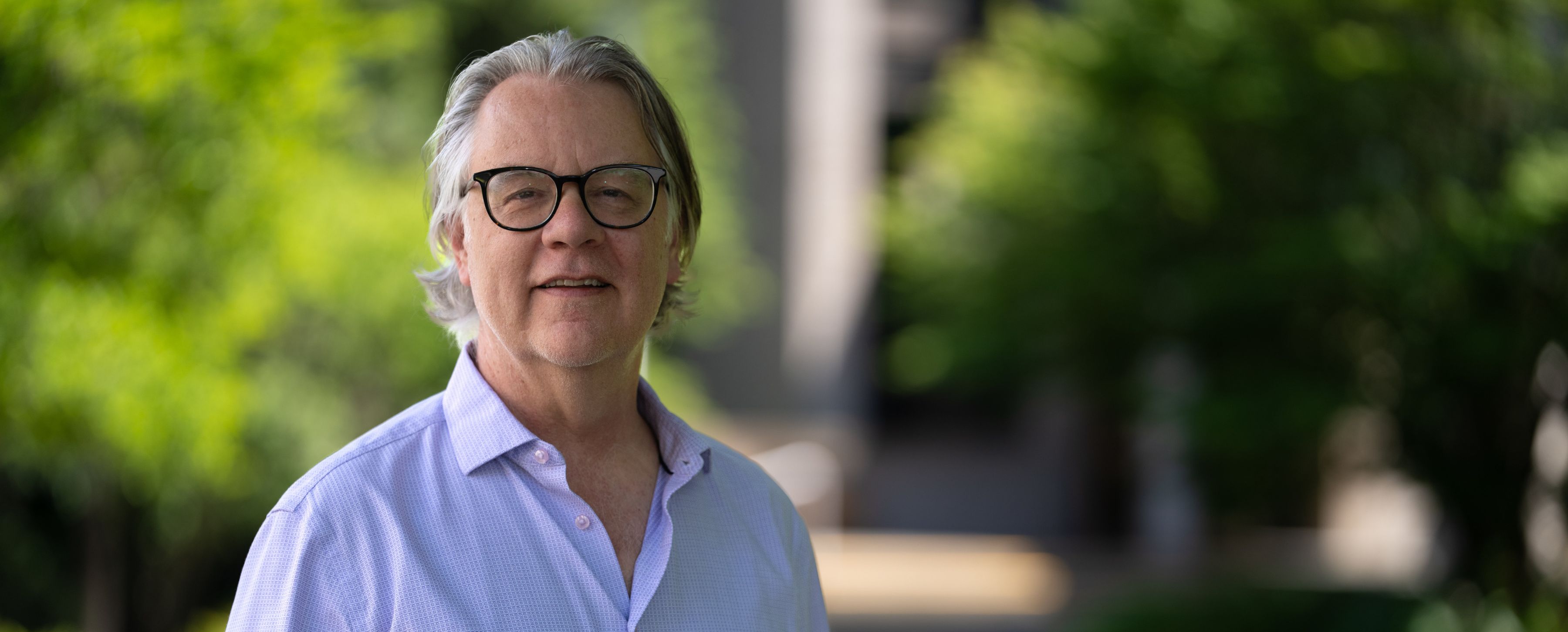
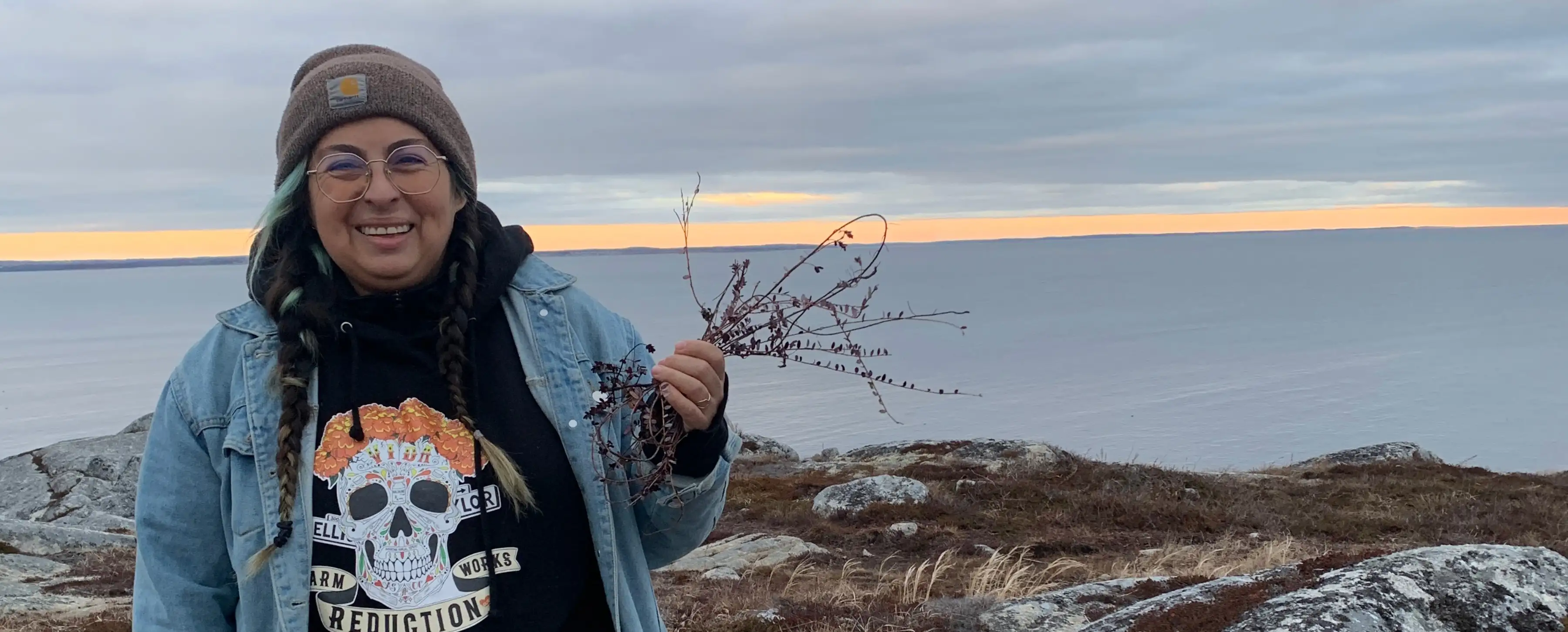
Andrea Figueroa is completing a Master of Public Health at UVic with a focus on Indigenous health. They are originally from Chile and are currently based in Tiohtià:ke/Montreal. Figueroa works as a registered nurse in harm reduction services. Their graduate degree took them from working at supervised consumption sites in Montreal to collaborating with community-based harm reduction services in Mexicali, Mexico, and San Francisco, USA.
What moment stands out most from your time here?
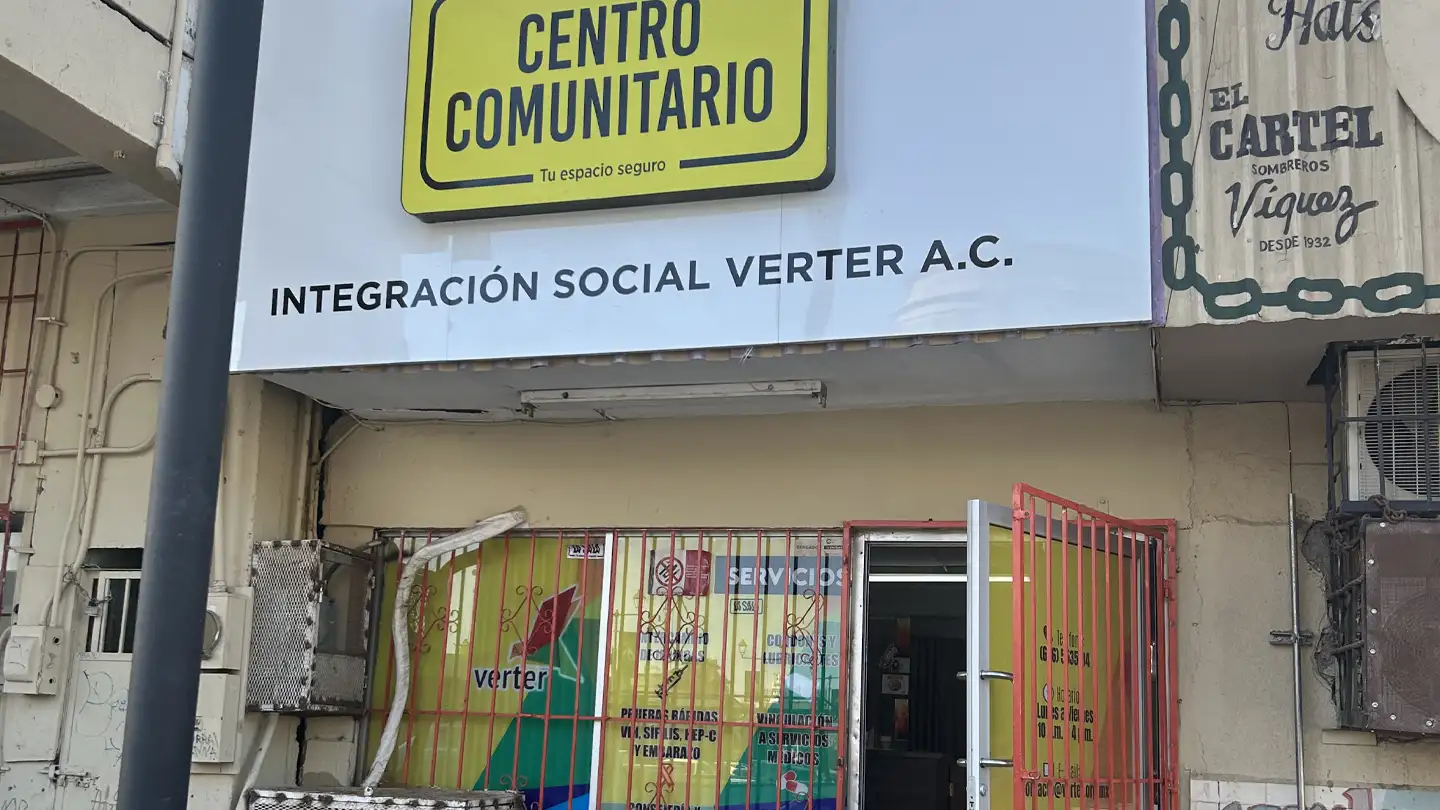
My placement with the Canadian Institute for Substance Use Research (CISUR) stands out most. Working remotely from Montreal, I collaborated with the community organization Verter in Mexicali, Mexico. Verter started the first supervised consumption site in Latin America, “La Sala”. I helped write their operations manual, co-creating harm reduction protocols with frontline workers and people who use drugs. Being able to do this work in Spanish, my first language, was profoundly meaningful. It allowed me to contribute to something historic while staying grounded in the language, culture and values that shaped me. This experience showed me that care and solidarity can transcend borders.
Where did you love to study, hang out or unwind on campus?
Since I completed the program remotely from Montreal, I didn’t get to explore UVic’s physical spaces day-to-day. I’m looking forward to finally walking across the UVic campus during convocation—it feels like completing not only a degree but a journey that spans cultures and countries.
What other ways were you able to build a sense of community and place through your online program?
Many of my online courses encouraged connection through group projects, discussion posts and open office hours. These interactions provided the opportunity to get to know instructors and classmates across distance. The Indigenous health courses in particular emphasized relationality and accountability. Those classes helped create a sense of shared learning. They reminded me that community isn’t only built in classrooms, it’s also nurtured through care, attention and presence—even online.
Was there a course or instructor who had a positive impact on you?
The most transformative course for me was INGH 520: Community Engagement and Leadership, taught by Métis scholar Lindsay DuPré. It reframed how I approach research and practice, centering relationships, reciprocity and Indigenous perspectives. These values now guide both my nursing work and my academic research.
What activity or experience outside the classroom meant the most to you?
Beyond my coursework, I worked as a research assistant for Jaime Arredondo Sánchez Lira. This allowed me to continue supporting Verter after my placement. Collaborating with Verter kept me grounded in community-based practice. This year, I had the opportunity to attend the International Harm Reduction Conference in Bogotá, Colombia. I helped run the harm reduction services on site and spoke on a panel about supervised consumption. It was rewarding to see our collective work recognized on an international stage and to connect with other harm reduction workers from across the Global South.
What are your plans after graduation?
I’m still working in supervised consumption services in Tiohtià:ke/Montreal and continuing community-based research with Verter in Mexicali. My next step is applying for a PhD focused on community-led harm reduction in Latin America. I never imagined this path growing up, but it feels like a way to bring together care, justice and public health.
How would you describe your time at UVic in one word?
Transformative.