International media partnership highlights community resilience
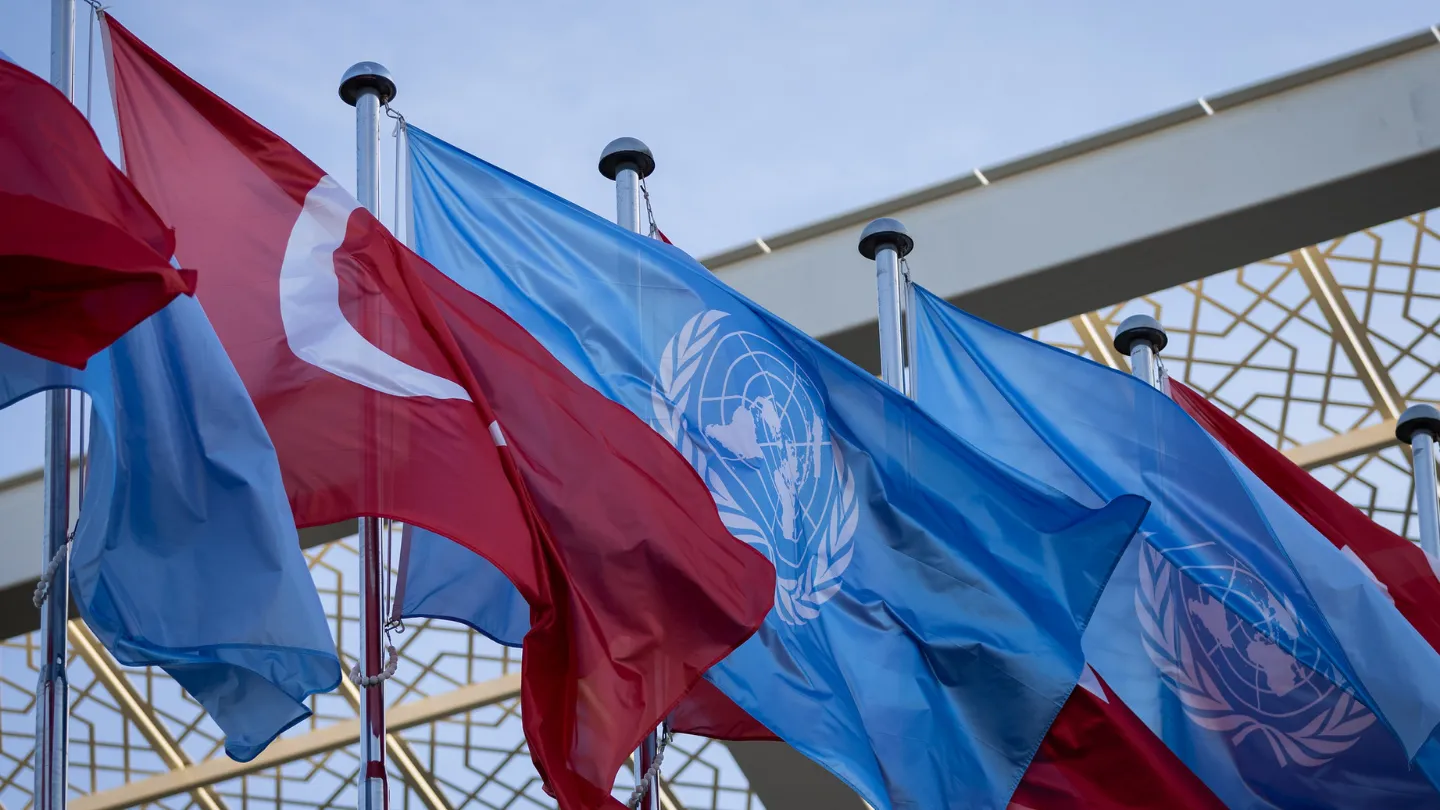
While world leaders gather in Türkiye for the United Nations COP31 conference (Nov. 9–20), the University of Victoria-led Climate Disaster Project is partnering with the UK’s Guardian media outlet to co-create the series “This Is Climate Breakdown,” highlighting a select group of stories about climate survivors.
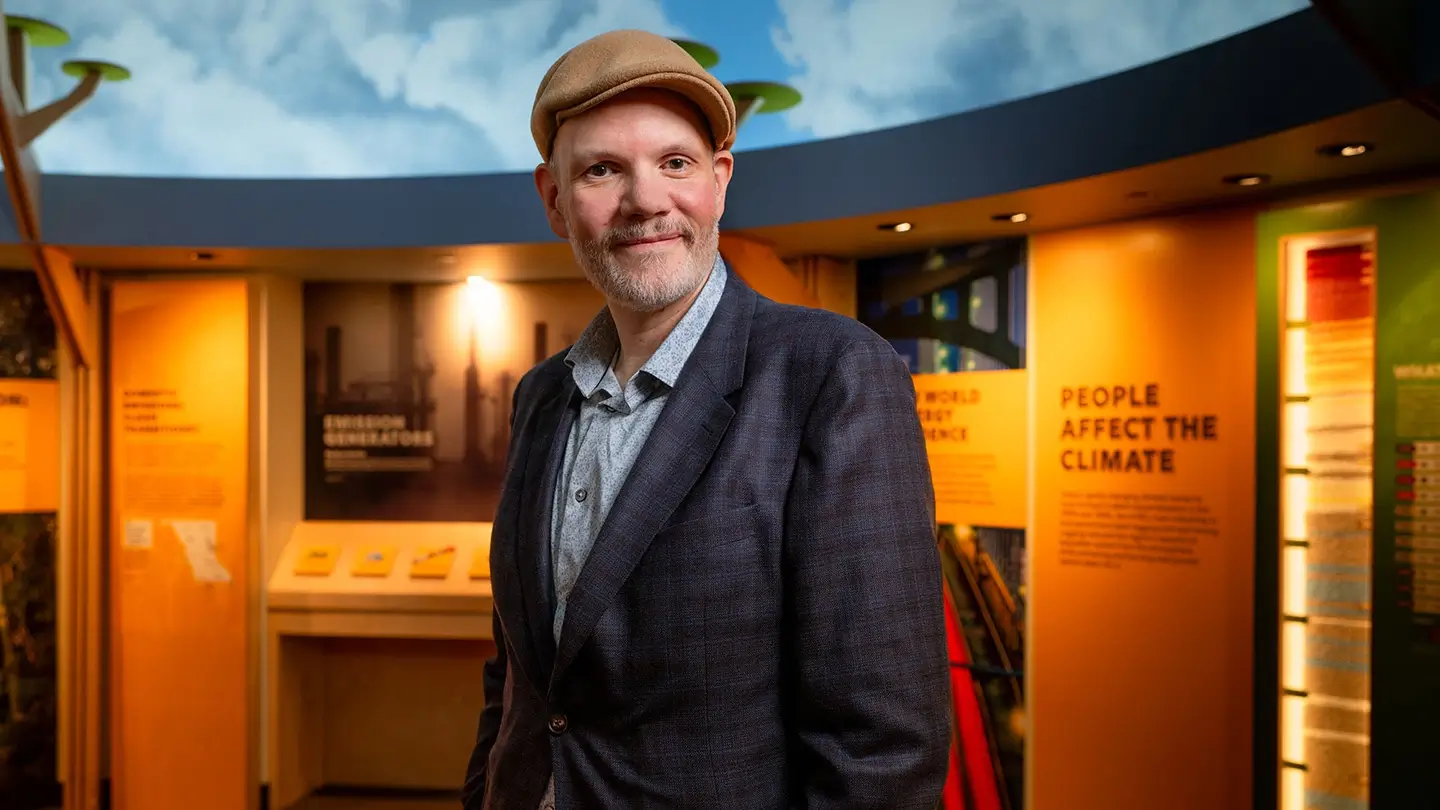
Sean Holman, Climate Disaster Project founder and the Department of Writing’s Wayne Crookes Professor of Environmental and Climate Journalism, explains the global impact of these climate survivor testimonials.
For the third year in a row, the Guardian is publishing testimonies your project has co-created with climate disaster survivors during COP31. Why put survivors in front of the world now?
When international leaders meet to talk about climate change, their voices can drown out the people most affected by a warming world. That means the needs and knowledge of survivor communities go unheard by the people making decisions about those communities’ safety. We’ve been working with a network of news and cultural organizations to change that. They have been putting survivors’ stories co-created by the students and journalists we train in front of the public and public officials.
Thanks to our partnership with The Guardian, global audiences will hear during COP31 from a pilgrim who kept his father safe from the heat of the Hajj; an excavation company owner who rebuilt Jasper after losing his own home; a professor who organized a makeshift relief effort when floods swamped Pakistan; and a yoga instructor who helped stranded motorists after a mudslide swept her off the highway. Each of these stories is about a climate-attributed disaster. Each holds hard-earned wisdom. Together, they’re a record of the loss and damage a warming world is already causing.
What does testimony capture that climate data can’t?
Too often, we’ve communicated the threat of climate change through numbers and nature. These testimonies show how extreme heat, floods, storms and fires are damaging our health, homes and livelihoods in the here and now. That matters in a post-truth era, because lived experience gives scientific evidence a human weight that’s harder to dismiss. But these testimonies don’t just have the potential to change how we feel about climate change. They also have the potential to change how we act, because they record what helped communities survive and what we’ll need to survive in the future.
Across more than 500 testimonies, what keeps coming up?
Again and again, the survivors who work with us say the government didn’t come to help. It was neighbours, not officials, who were there for them when they needed it most. That’s an emerging crisis for democracy: as extreme weather overwhelms the state’s capacity to respond, people lose faith in its ability to keep them safe. The state needs to give those neighbours the resources to prepare for and respond to extreme weather themselves. But we also need to listen to how survivors talk about climate action. For them, there’s no separation between adaptation and mitigation. Both are forms of climate defence. One keeps us safe in the present. The other keeps us safe in the future. And survivors have countless recommendations for how to defend their communities, their countries and the world as a whole from the damage we’ve done to our environment and the damage it’s now doing to us.
What does trauma-informed storytelling offer survivors, and what does it change about journalism?
When we experience a traumatic event, we experience a profound loss of control. Climate change is increasing our exposure to those events, making a warmer world a more uncontrollable world. That’s a problem for journalists, because our processes often take control away from sources, usually for good reasons. After all, when we’re holding power to account, we don’t want governments or corporations controlling the questions we ask or the stories we publish. But those same processes can inflict a second wound on trauma survivors, taking control away from the one thing they often have left: their memory of what happened to them. Our peer-reviewed approach, modelled on psychiatrist Judith Herman’s stages of trauma recovery, shares control with survivors as they retell their stories. We treat the truth as a gift they want to give, rather than something we have to steal from them. And in doing so, we can tell truer stories about what it means to live on a hotter planet.
What’s next for the Climate Disaster Project?
In May 2027, Purich Books, an imprint of UBC Press, will publish No Safe Season: Stories of Surviving a Changing Climate, an anthology of 36 testimonies from climate disaster survivors across Canada. John Vaillant, author of the Pulitzer Prize finalist Fire Weather: A True Story from a Hotter World, calls it a “pioneering collection of voices describing in vivid, intimate detail, the real-world, real-time impacts of climate disasters and their repercussions. Frightening, enraging, heartbreaking and surprisingly poetic, these accounts deserve the eyes and ears of every elected official and every fellow citizen.” We hope readers agree and, in doing so, raise the voices of survivors across Canada so their stories aren’t forgotten.