Kids may not think much about energy, but it’s everywhere. It’s in the breakfast that powers them through a school day and a game of soccer at recess. It’s in the sun that shines down on the school field and the wind that blows through the trees. Sometimes, it’s even right under their feet.
Dozens of youth in Cumberland, BC learned powerful lessons about energy in all its forms this summer because of a partnership between the Lake Park Society and the University of Victoria-led Accelerating Community Energy Transformation (ACET) initiative.
Energy Rangers is an interactive, outdoor education program for Grade 4 to 6 students focused on exploring renewable energy. Hosted by and co-developed with the Lake Park Society at Cumberland Lake Park in the Comox Valley, the collaboration is part of ACET’s community engagement on clean energy development.
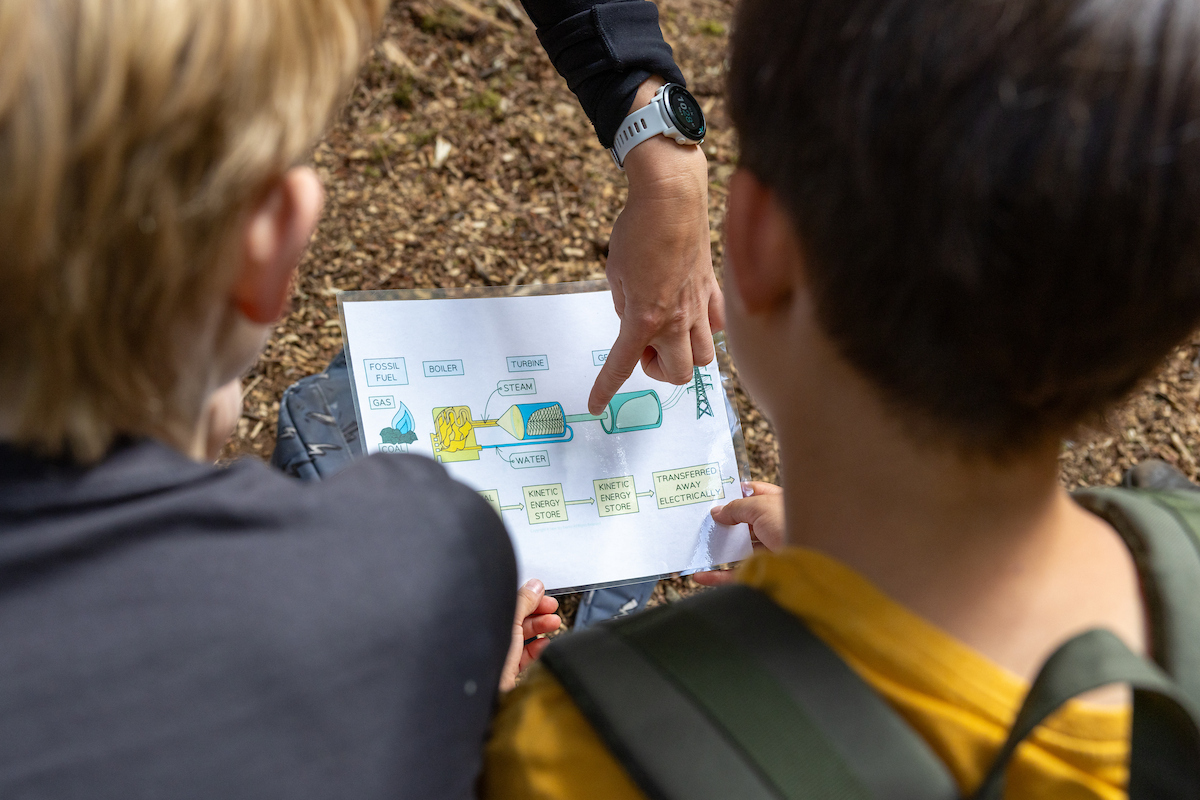
The program is also a natural extension of ACET’s work with the Village of Cumberland on a potential district energy project that could use water trapped in abandoned mine shafts and tunnels to produce geothermal energy to heat and cool buildings.
“The work underway in Cumberland is a strong example of community-led clean energy innovation, which makes it a rich learning environment for the next generation of energy leaders,” says Cecilia Jaques, ACET engagement manager. “Our goal with this program is for these Energy Rangers to understand the role they can play in building a more resilient and sustainable future.”
Understanding energy
First with school classes on field trips, then during summer day camps, participants in Energy Rangers “learned from our leaders all about the way energy shapes the world around us,” explains Hanna Stoddart, executive director of the Lake Park Society.
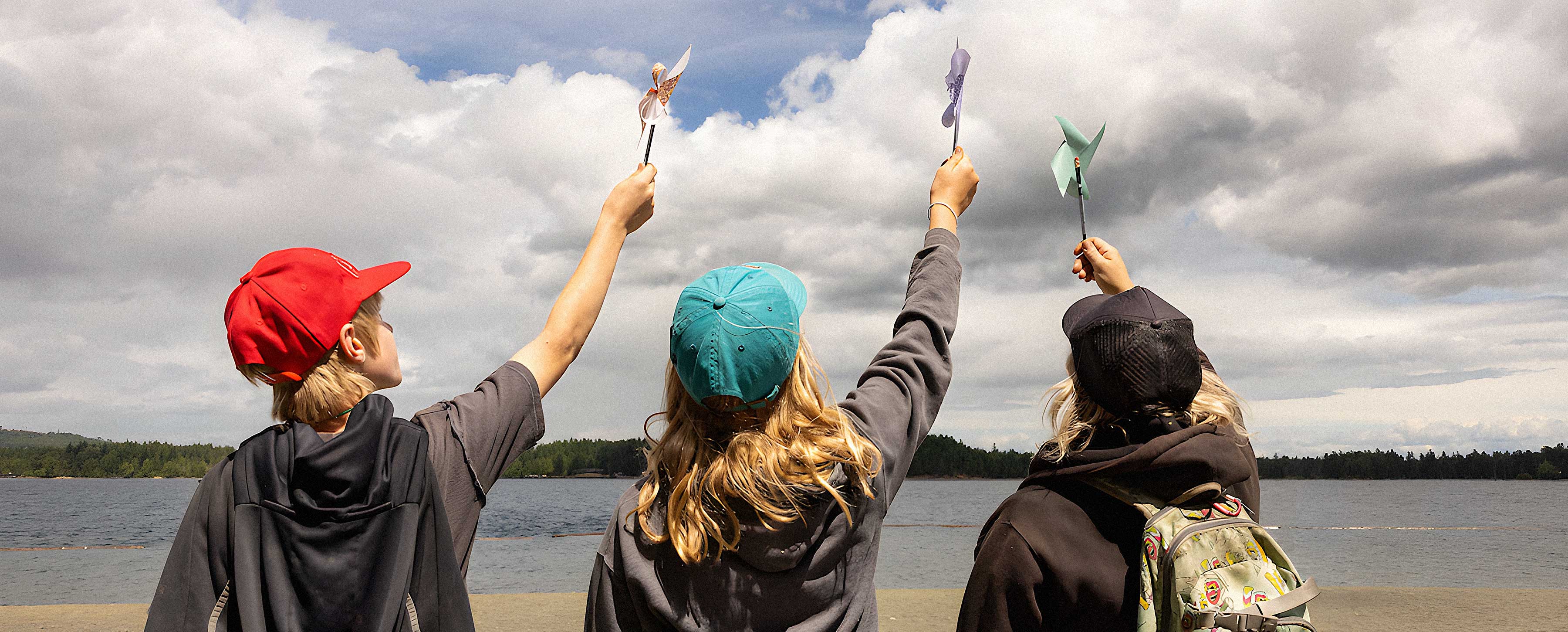
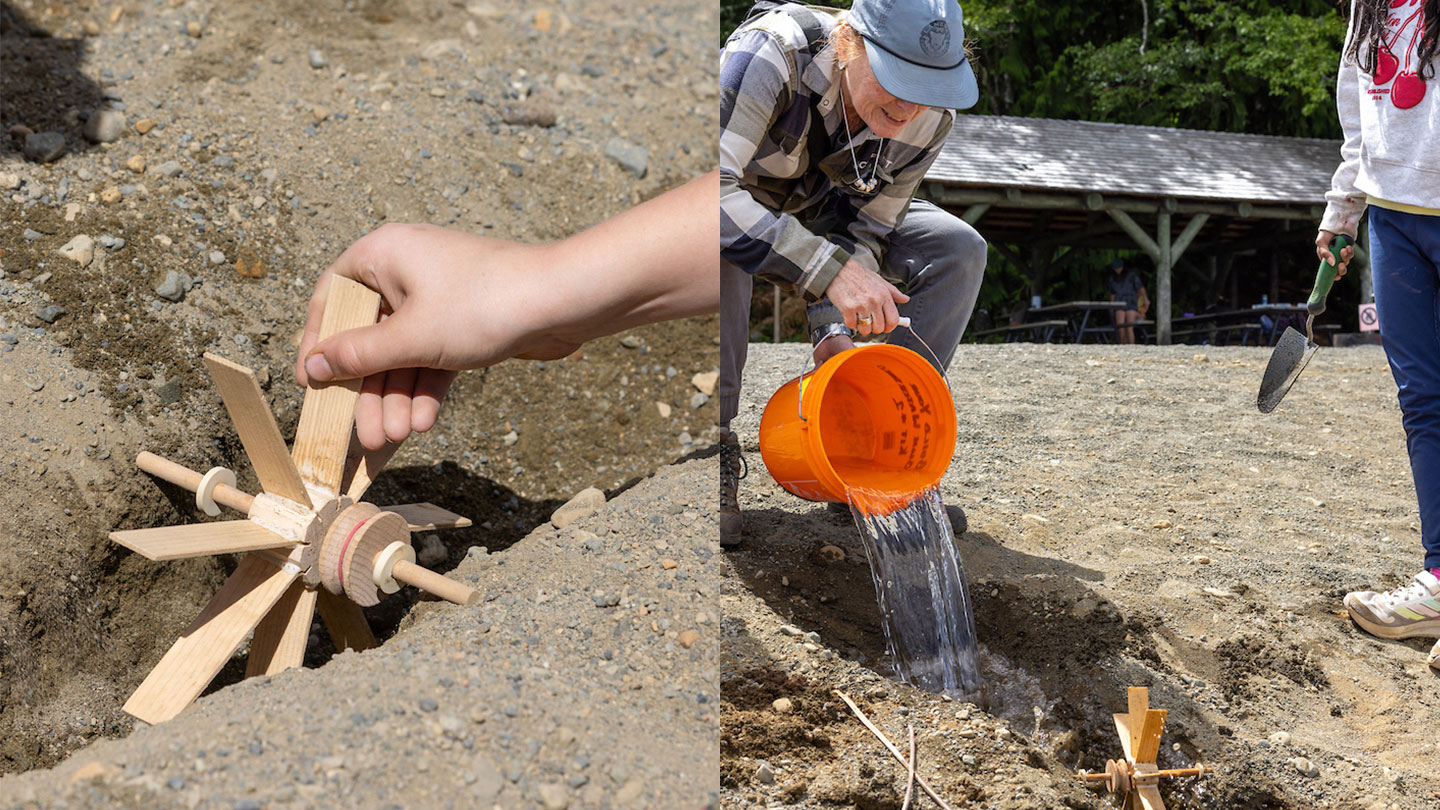
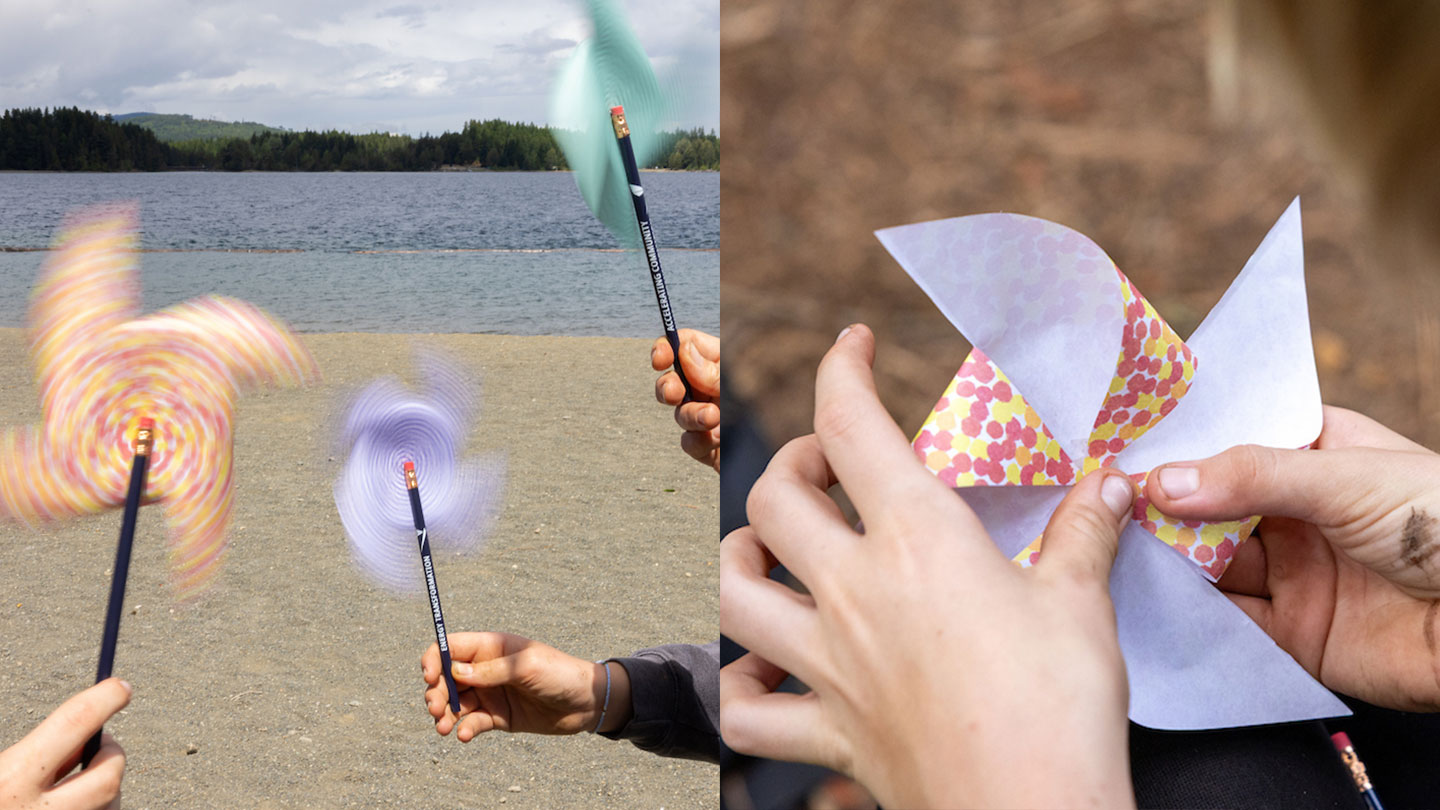
They were shown the dam across Comox Lake; taken on guided hikes to learn about the stored energy in forests and notice the temperature differences as they walked near large, mossy rock walls; given instructions and an opportunity to build a wind turbine using origami paper, a pencil and a thumbtack and eventually given time on the lake front to dig a channel in the sand and build a wooden turbine to model how water is used to produce electricity.
As well, the young campers, after learning about the history of coal mining in their community that ended decades before they were born, also took part in an interactive demonstration about how coal is made over millions of years by collecting and compressing fallen materials such as leaves and moss.
“We hope that the kids walk away with some inspiration and curiosity about the ways we use energy in this world, and be more conscious of the way that they consume energy or things in their house consume energy,” Stoddart says. “We really hope that kids can come away feeling empowered to make a difference and understand how precious energy is.
“It fit really well within our programming goals to have educationally rigorous programming that connects to the School District 71 curriculum,” she adds.

Powerful feedback from Cumberland teachers, mayor
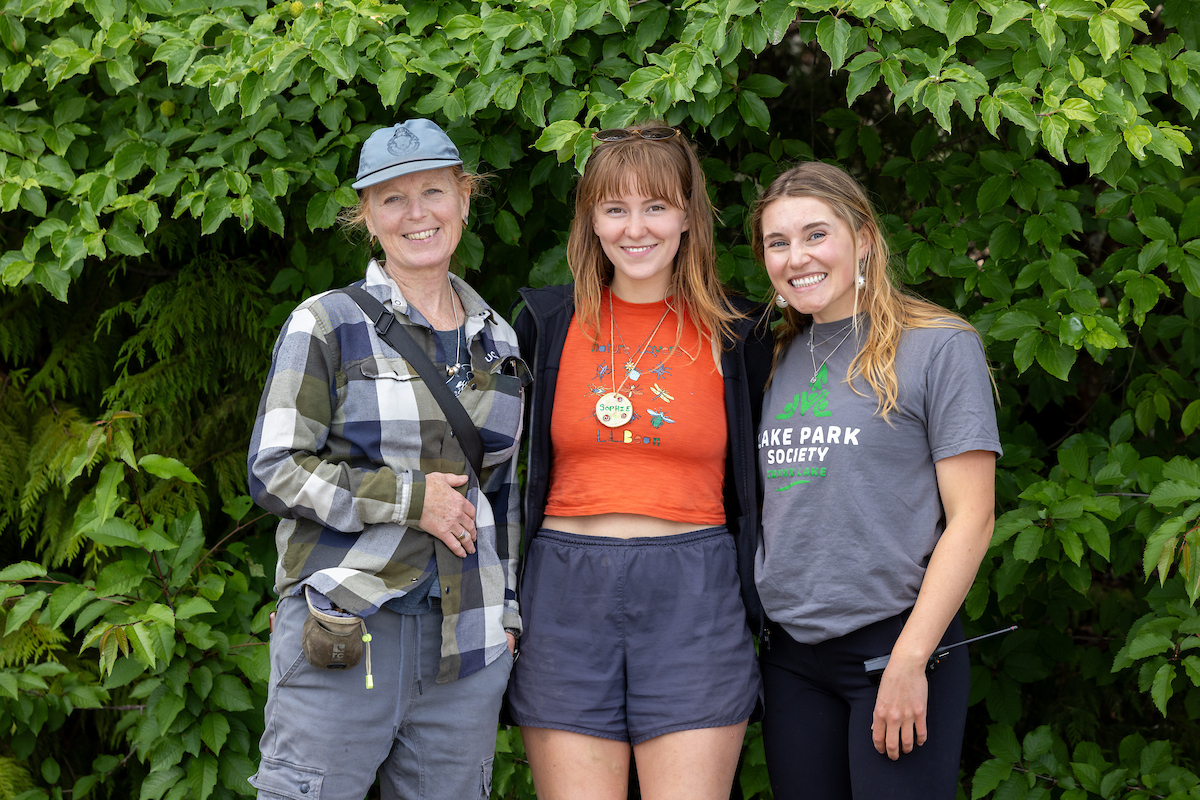
Indeed, the feedback from teachers whose students participated in Energy Rangers during the 2025/2026 school year sang the program’s virtues.
“The program includes a ton of awesome information about energy sources, both non-renewable and renewable,” wrote one teacher in an anonymous feedback form. “The students enjoyed walking through the forest, playing forest games, the storytelling and building the channels to get their turbines to spin.”
“Students really enjoyed digging trenches and pouring water to get the turbine to spin,” wrote another, with a colleague saying, “Students love to share what they know and building from this can be very powerful.”
Cumberland Mayor Vickey Brown echoed those sentiments after visiting students and teachers taking part in an Energy Rangers school program.
“It was super cool to see that kind of excitement in the kids and the learning that they got from it,” she says. “So fun!
“One of the best parts of this partnership [with ACET] is the sort of socialization of energy literacy in the village along with the exploration of the mines,” Brown adds. “Everyone I’ve met in the ACET program, they are so enthusiastic about what they’re doing and the projects they’re working on that they bring this energy and opportunity for exploration to every project.”
Inspiring innovation
Sophie Janke, a researcher with ACET who helped design the Energy Rangers curriculum, says the nature-based outdoor education provided by the Lake Park Society ensured a strong connection to place that enriched the experience for the kids.
And the young Energy Rangers were ready to learn.
“The kids are pretty smart. They know way more than you think,” she says. “They know that greenhouse gases are bad for the environment and that’s what some energy infrastructure relies on… They’re excited by renewable energy. They have a curiosity about different types of technologies.”
And while Janke says she spotted some potential future engineers amongst the Comox Valley kids who took part, “I think the best outcome would be if we can inspire the youth to see that there’s room for them to be innovative and we don’t have it all figured out yet. It’s cool to see what new minds can add to the conversation.”