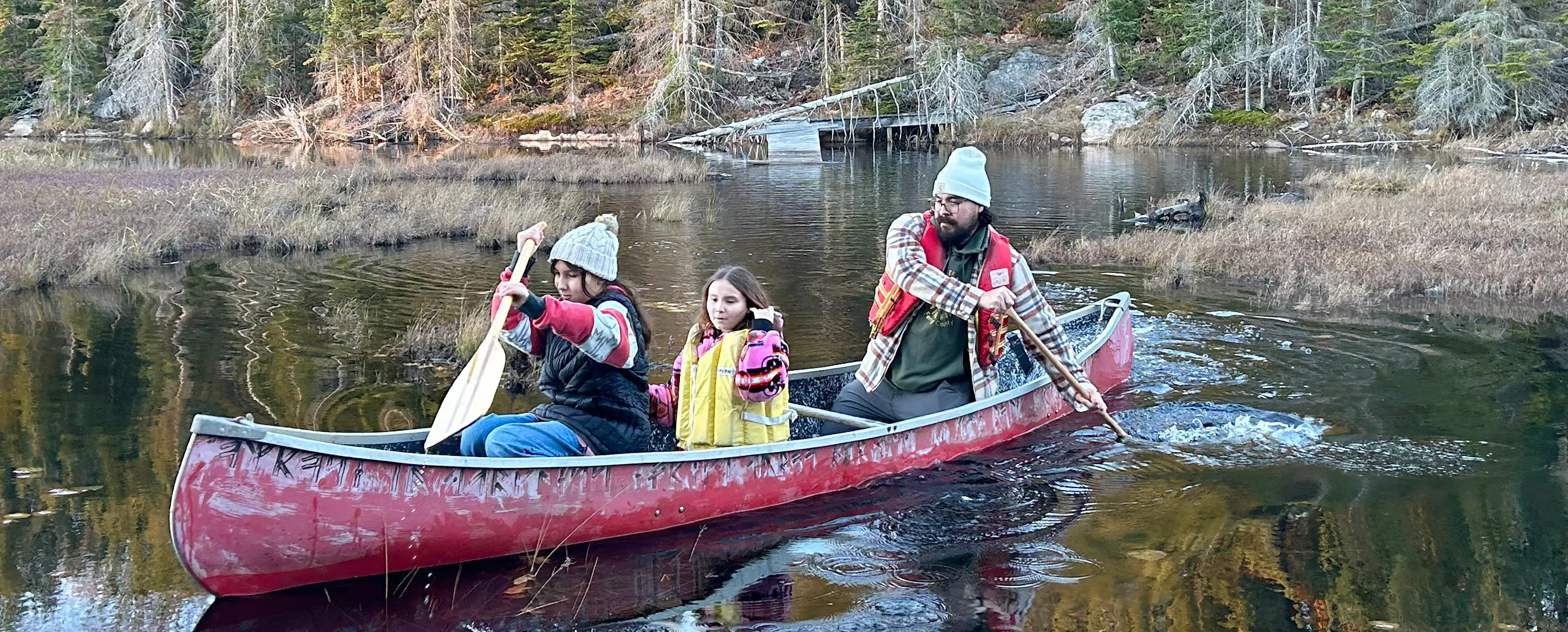
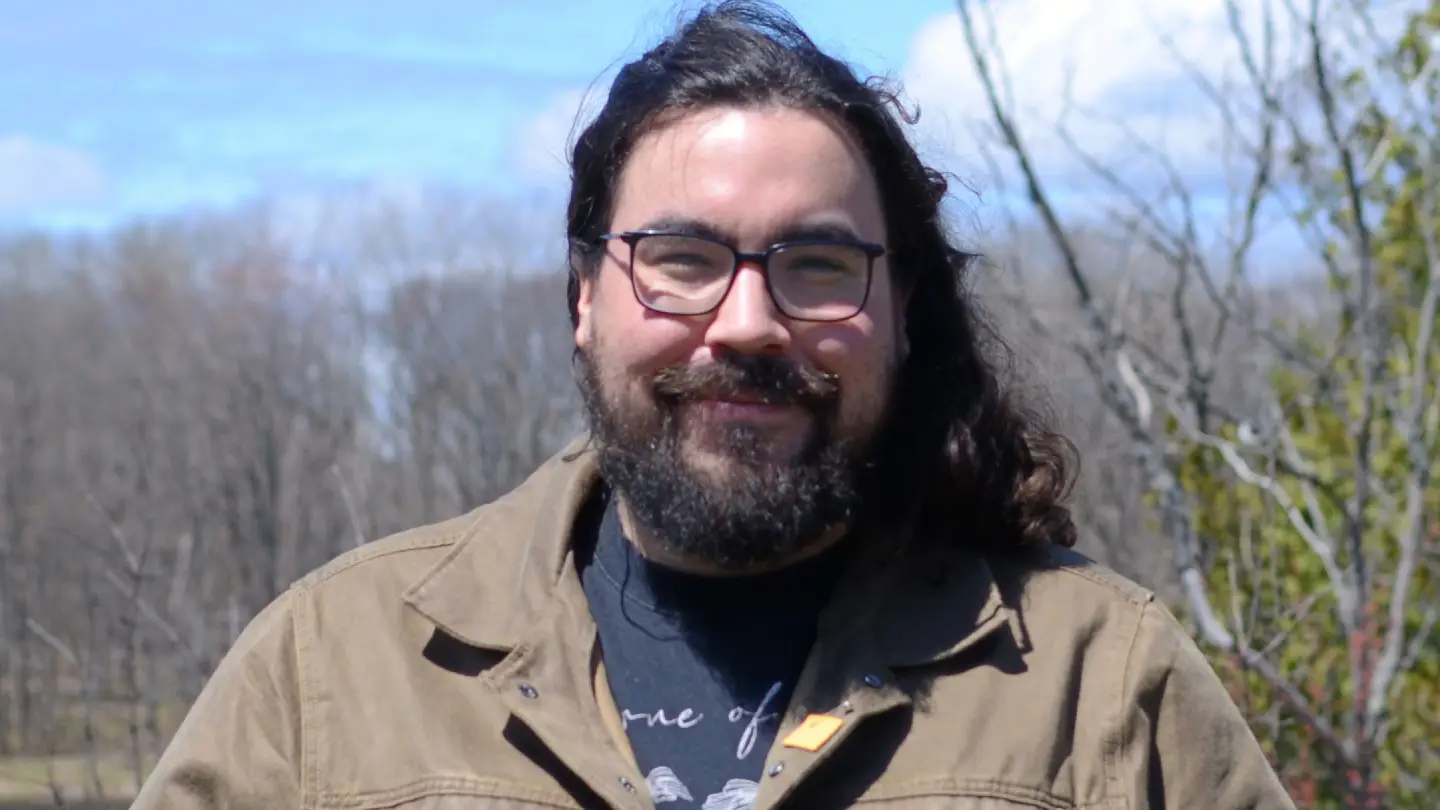
Mathew Hupfield worked in health-related roles in fundraising and policy for more than a decade before he applied to UVic. A father of two children, Hupfield wanted to refocus his career and was able to study online at UVic while living with his family in Keremeos. He will be graduating with a BA in public health from UVic’s School of Public Health and Social Policy (PHSP).
Hupfield now works full time for his home community, Wasauksing First Nation, in northern Ontario.
Why did you choose to study public health at UVic?
I knew I needed accreditation under my belt if I wanted to work in Indigenous food security, health promotion and Indigenous public health. Through my work, I developed policy experience, but my earlier attempts at post-secondary education after high school were unsuccessful. With a clear sense of purpose, I decided to go back to get my BA in public health. I completed an Associate of Arts degree at Okanagan College in two years and was then accepted as a transfer student to UVic.
What moment or memory stands out most from your time at UVic?
What stood out to me about my program was the opportunity to reflect on my work and my lived experiences. I’m the son of a residential school survivor, my mother. My dad was non-Indigenous. I grew up identifying as a First Nations man, an Anishinaabe man from Wasauksing First Nation. Throughout my studies, I’ve had the opportunity to reflect on that more critically and on the importance of the work I’d been doing in the past and understanding it through a public health lens.
My dad passed away within two months of my starting at UVic. I had to fly back to Ontario and take care of him at the end of his life. The support I received from my instructors and peers got me through that time. It felt like people were in my corner, ensuring I had what I needed to be successful.
Which course or instructor had a positive impact on your academic or personal growth?
Everyone in the BA program: Monique Auger, Leo Rutherford, Meera Dhebar and Robert Beringer. All those instructors embodied the PHSP principles.
In the program, we learn how important it is to apply the values of justice and equity to public health work. The instructors back this up in how they communicate and how they design their course materials. They incorporate Indigenous content. They take time to challenge what folks are saying in discussion boards. You can see how their research connects to what we’re learning in class. That felt special to me.
What activity or experience outside the classroom meant the most to you?
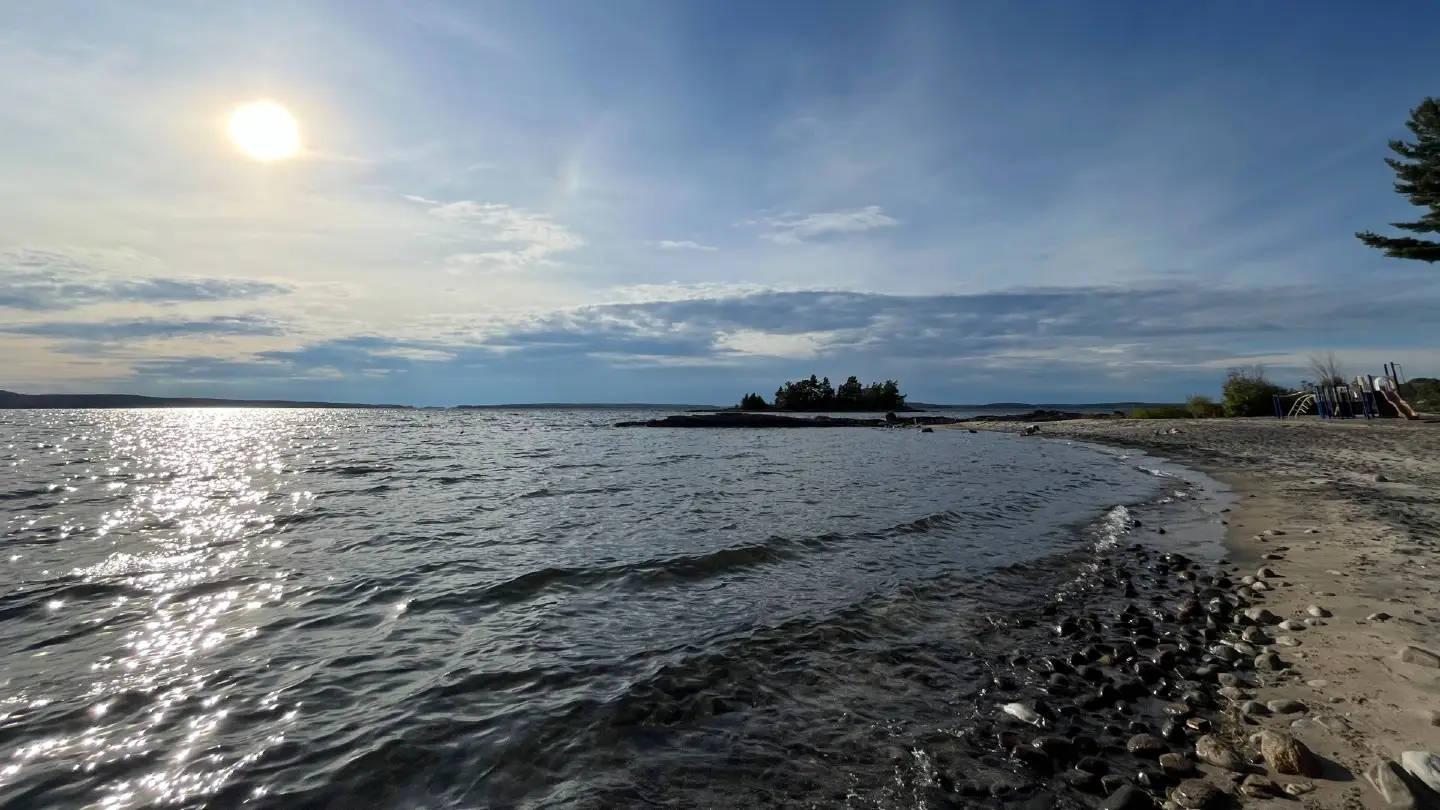
One of the most meaningful parts of the program was completing my practicum with my own First Nation, Wasauksing First Nation. It was a special opportunity and a homecoming after so much time away. I was able to reintroduce myself, reconnect with community, reconnect with culture and reconnect with ceremony. It’s something that’s continuing and ongoing. I’m now employed full time with Wasauksing First Nation’s social services department providing technical support. It’s an opportunity for me to use what I learned in the program.
What are your plans for after graduation?
The plan is to continue my work promoting my First Nation’s health and wellness and well-being. A lot of that work right now is about reclaiming our own self-governance and building capacity to do so. The BA program played a huge role in building my own capacity. I also plan to pursue my master’s degree in the next couple of years.
What would you tell someone who is considering choosing UVic for their degree?
I would happily recommend UVic to my nieces and nephews. It’s been a good experience. My brother-in-law did his PhD in Indigenous Governance at UVic, and now I’m bumping into fellow UVic alumni back home. It’s weird to see each other around town wearing UVic merch!