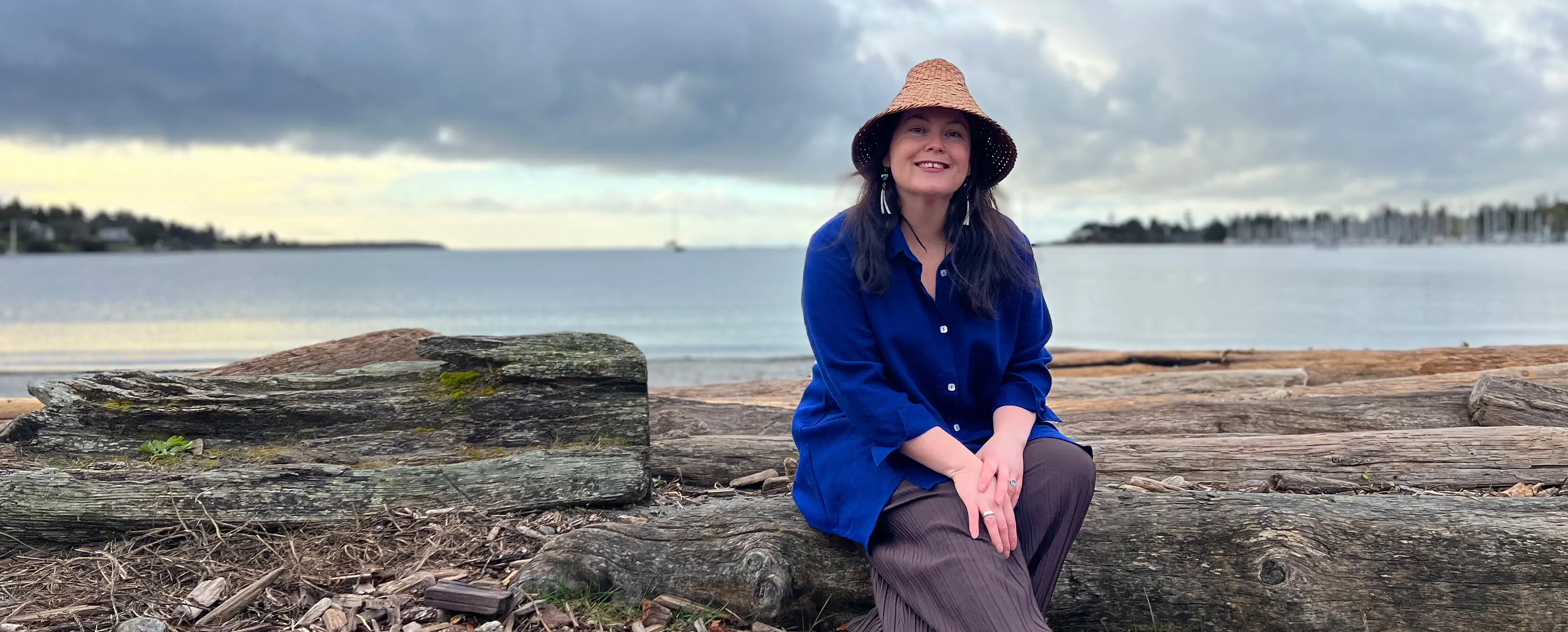
The appointment of assistant professor chuutsqa Rorick as a Canada Research Chair (CRC) is a pivotal milestone for the University of Victoria (UVic) Faculty of Education. This national honour is part of a $295 million annual investment designed to help Canadian universities attract and retain world-class researchers who advance the frontiers of knowledge.
For chuutsqa, a Hesquiaht First Nations scholar, the designation is not only an individual milestone; it reflects the ongoing work of Hesquiaht and other Indigenous Peoples who continue to uphold Nation-governed knowledge systems, which have been systematically marginalized by colonial education for over a century.
Her research contributes to the ongoing resurgence of Indigenous languages and knowledge systems. By centring Indigenous-led approaches to language revitalization, this work supports the ongoing reclamation of Indigenous languages and the strengthening of knowledge systems grounded in land and relationships—moving the focus from the trauma of cultural loss to the power of land-based resurgence.
It’s shining a light on the strength of our languages, and demonstrates how our knowledge systems can be centered within strong research pathways.”
—chuutsqa Rorick, assistant professor
A historical context
This work is grounded in relationships to place, including Hot Springs Cove—Hesquiaht Indian Reserve No. 6—where chuutsqa was raised. Here, the community’s history is inextricably linked to the Christie Residential School, an institution that remained in operation until 1983. chuutsqa’s path was defined by a narrow window of generational timing; escaping the institution her father’s generation endured provided a vital opening for the reclamation of what was nearly lost.
Despite growing up in a Hesquiaht community of about 100 people, the shadow of the residential school meant that chuutsqa reached adulthood with only a handful of ancestral words. This was not a choice, but a direct consequence of a system designed to sever the intertwining roots of Indigenous families. Her journey into the Hesquiaht dialect of the Nuu-chah-nulth language began in earnest in 2010 when she sought out fluent Elders like the late Lawrence Paul.
What began as a process of reconnecting with language and community responsibilities evolved into a research methodology grounded in those relationships. She describes becoming deeply engaged with the knowledge systems carried within the language, coming to see reclaiming the tongue as one important way of deepening understanding about how to live with the land and with one another.
Relational accountability
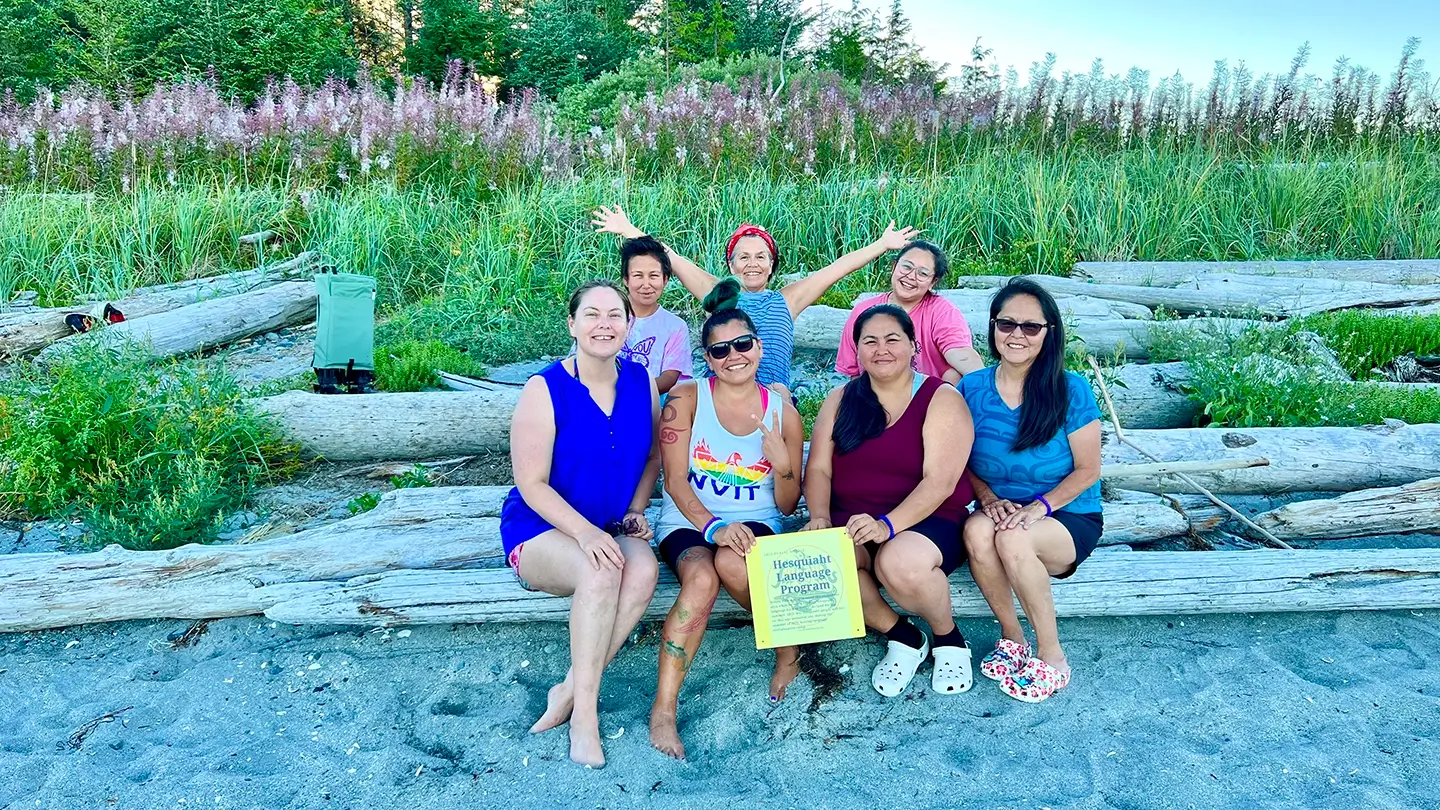
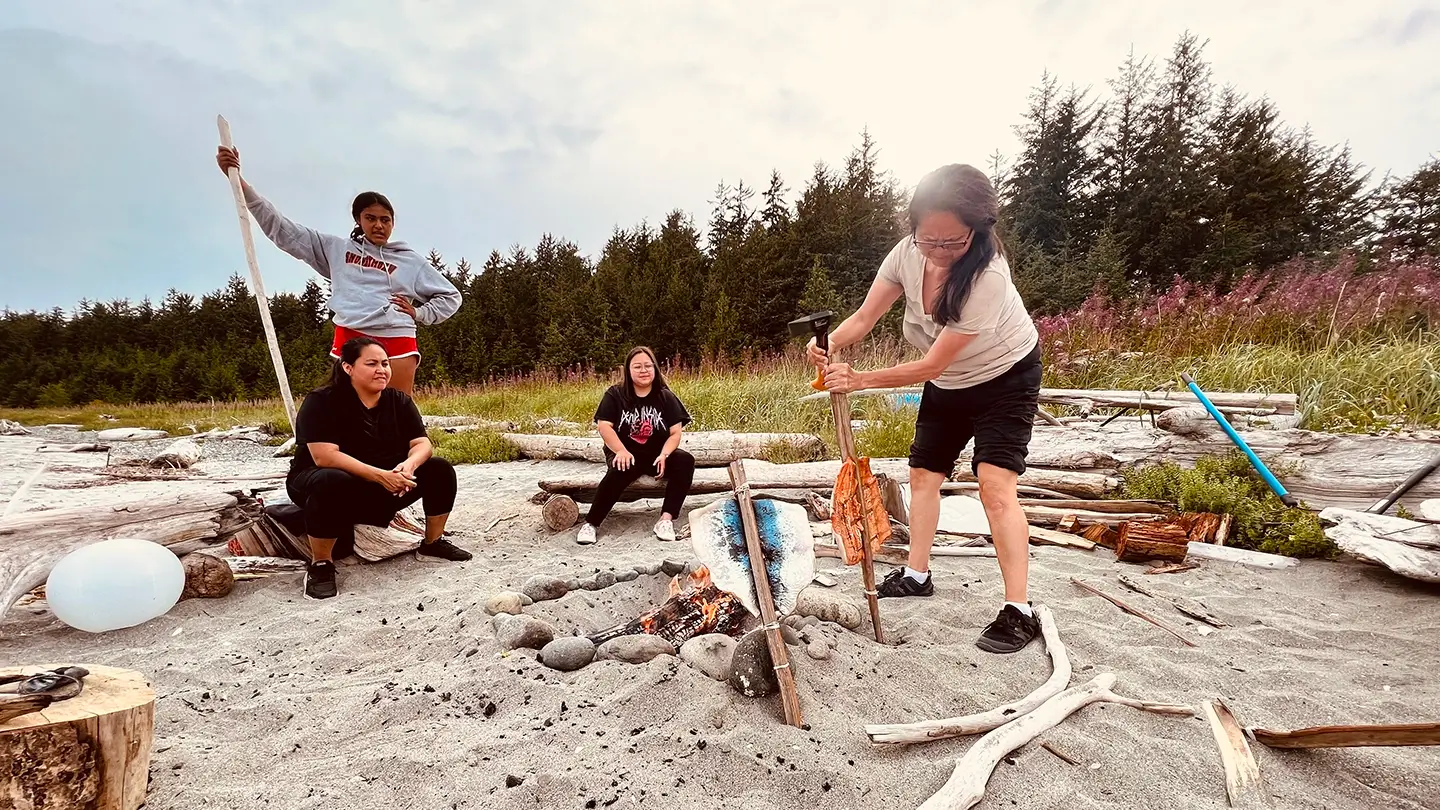
At the heart of this work is the Hesquiaht Language Program, an initiative born in 2014 when she invited the Nation’s remaining fluent speakers to gather for a weekend of documentation. What began as a focused effort to record phrases for a language nest transformed into a permanent Fluent Speakers Committee. Today, these eight Elders, all over the age of 75, serve as the “north star” for language work across the growing network of Hesquiaht speakers, learners and families.
This collaborative model reflects “relational accountability,” where knowledge is carried through relationships and responsibilities across generations and among all those engaged with the language. chuutsqa emphasizes that this interconnectedness is not just a historical fact but a contemporary responsibility.
In her research, she collaborates with “silent speakers”—Residential School Survivors who grew up with the language until early childhood. Many of these individuals carry deep knowledge of the language, though their ability to speak has been shaped by experiences of interruption, shame and loss.
As long as we’re living with one another, we want to do it in ways that strengthen each other. We’re trying to heal and restore our connections…opening up to each other again after going through so much.”
—chuutsqa Rorick
Ultimately, success in this domain is found in the “humility, patience, and accountability” that participants show to one another. This path recognizes that language carries the information necessary to guide daily behavior, inform decisions and reinforce peaceful ways of living.
Land as teacher
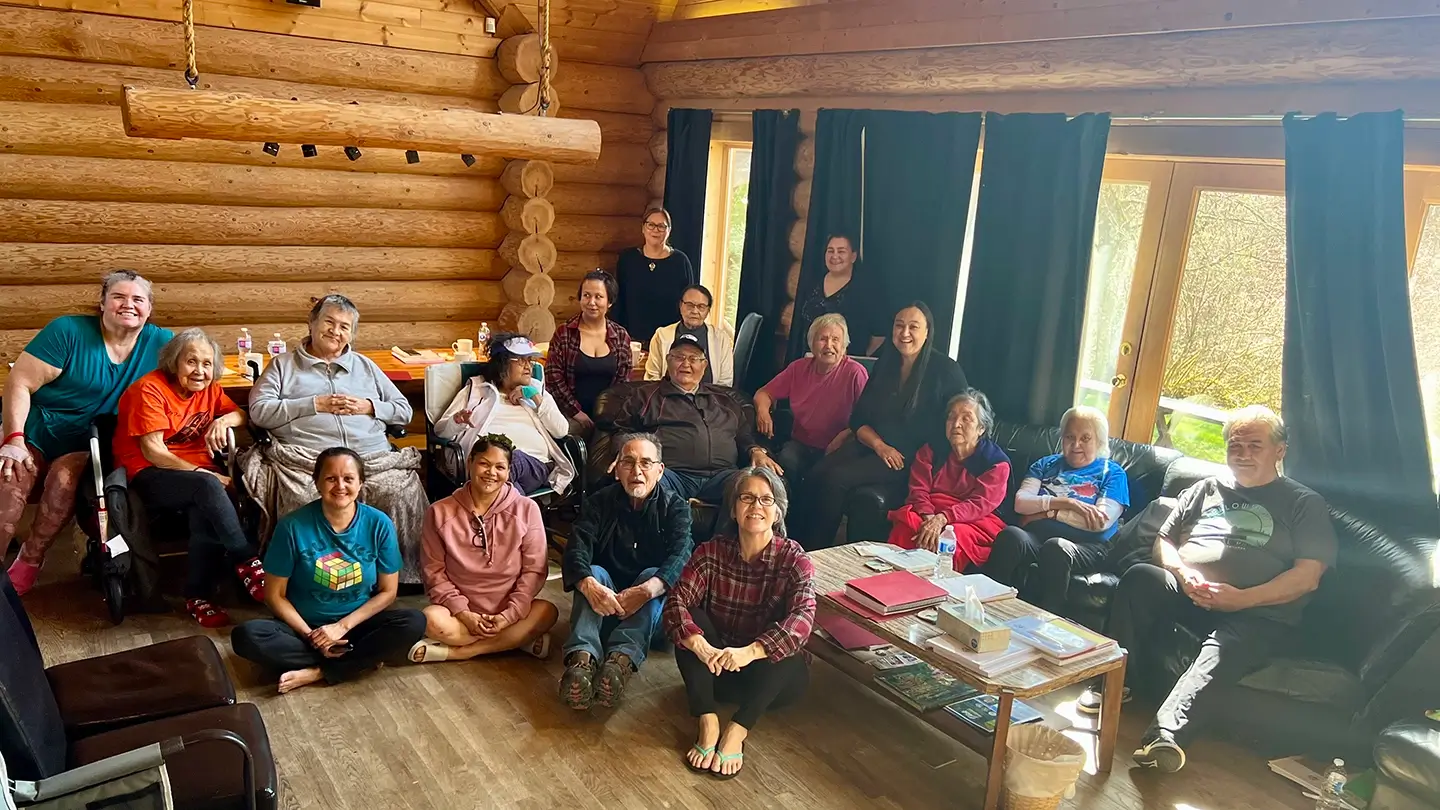
A significant portion of chuutsqa’s research focuses on land-based learning, a methodology that recognizes the natural environment as an active participant in education. Her work is exemplified by the 100-hour Hesquiaht language immersion camp, which serves as a blueprint for how language is lived and felt, rather than merely memorized. She describes the land and sea as “inseparable teachers” that offer a depth of knowledge that a traditional classroom setting cannot replicate.
She notes that Western secondary education often forces students to think in ways that separate them from their natural environment. By situating learning on the land, including in places such as Hot Springs Cove and surrounding waters, learners are invited to engage with Hesquiaht ways of knowing and being, applying the wisdom of their ancestors to their modern lives.

This land-based approach is directly tied to the holistic wellbeing and health of the community. It provides what chuutsqa describes as a “better lens of reality,” allowing learners and community members to see themselves through the strength of their ancestors rather than through the outsider culture they are frequently exposed to.
Our language survives today because generations of people had such commitment and took such care. We need to continue that work to reflect those values passed onto us… that knowledge belongs in research and in education; it’s a good entry into understanding how we run governance systems and uphold our responsibilities.”
—chuutsqa Rorick
Digital sovereignty
While chuutsqa’s work is deeply traditional, she is exploring the ethical use of digital innovations to support language revitalization. She is currently navigating the complex tension between making ancestral knowledge accessible to a geographically scattered Nation while protecting it from misuse or extraction through digital technologies.
The stakes are high. chuutsqa is currently stewarding over 1,000 hours of audio recordings from the 1970s. Within these recordings lies a wealth of knowledge that has been locked away for decades: intricate metaphors, family-specific governance systems, and detailed descriptions of territories that are vital for the identity of the next generation.
To ensure this wisdom remains in the right hands, chuutsqa is developing searchable digital resources and offline servers to house these archives, ensuring that the Nation’s language data is not “scraped” by AI or exploited by outsiders. This focus ensures that Hesquiaht people and the broader network of language speakers and learners remain the rightful stewards and jurisdictional authorities of their own wisdom.
Technology is an indispensable tool, but it must be used without sacrificing the integrity of the knowledge itself.”
—chuutsqa Rorick
Social justice in education
As a Canada Research Chair, chuutsqa is dedicated to ensuring that Indigenous knowledge systems have a permanent, respected and protected home within higher education. By bringing “insider” perspectives and nation-based research into her university classrooms, she is contributing to the re-centring of Indigenous knowledge systems within higher education and creating a learning environment where these systems are treated as sophisticated authorities on governance, ethics and ecology.
Looking ahead, she envisions a future where Nations lead their own educational environments, with their languages and knowledge systems at the center.
When those systems are recognized within a university, it creates space for more research that is led by Indigenous people and stands on the strength of ancestral knowledge. It gives hope that the work being carried by communities and by language speakers and learners can be supported, amplified and sustained.”
—chuutsqa Rorick