A recent gift of $1-million US ($1.3 million Canadian) from a University of Victoria (UVic) alum and their partner will strengthen STEM (science, technology, engineering and math) opportunities for Indigenous students, from elementary school through post-secondary education to graduate studies and hands-on learning that can lead to future careers.
The gift will boost UVic’s K-12 Indigenous STEM (InSTEM) outreach program, which works with First Nations on Vancouver Island to deliver year-round community programs and summer camps. It will also establish an endowment for a new entrance award and increase access to experiential learning placements in climate and sustainability for Indigenous students.
Community-based programming backed by donor support
Gill Gawron, UVic’s program coordinator for InSTEM outreach, explains how donor support can strengthen community-based programming and help nurture interest in STEM for Indigenous learners.
Q. How can philanthropy support Indigenous STEM education in Canada?
A. Increased funding for our STEM outreach programs allows us to visit more communities, including those that are under-resourced and hard to reach, while maintaining our existing relationships with youth and community members. This not only increases access to STEM programs, but links our programming to the local contexts, cultures and land. Every young person deserves the opportunity to see themselves in STEM, and to understand what they can bring to these fields—which is one of the reasons Indigenous STEM outreach programs are so important and impactful.
Philanthropy is a vital part of bridging gaps and creating more pathways for Indigenous youth to find their way into post-secondary education, industry, decision-making and innovation. The K-12 outreach program creates engagement opportunities with young learners, potentially sparking a lifelong interest in STEM, while other university initiatives can support taking that interest into post-secondary education.
Q. What is UVic doing to support Indigenous student success and STEM opportunities?
A. There are a few different ways UVic is increasing access to post-secondary education for Indigenous students. Outreach programs for K-12 students, including InSTEM and Mini-University Summer Camp, can build interest in post-secondary learning, but financial supports specific to Indigenous students are equally important in making those opportunities possible.
Once students come to UVic, programs, such as the Indigenous Living Learning Community, Elders in Residence, LE,NOṈET program, Campus Cousins program, First Peoples House and renewable awards help support Indigenous student success and belonging.
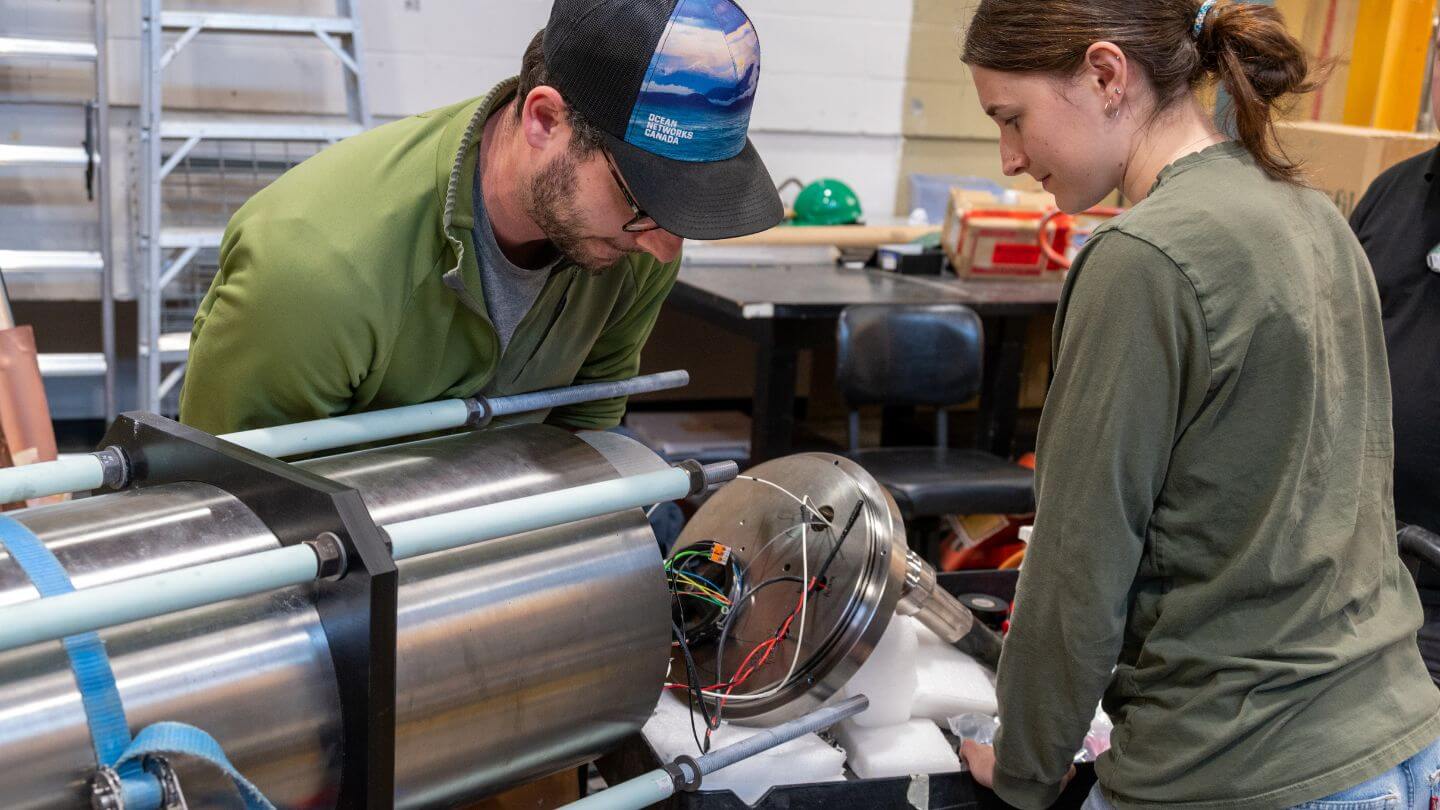
UVic is well-known for its applied learning opportunities, such as co-op. This gift provides resources for more Indigenous undergraduate and graduate students to access these opportunities, particularly in UVic’s world-leading climate and sustainability programs.
Q. How does UVic’s K-12 InSTEM outreach program connect Indigenous students to STEM careers?
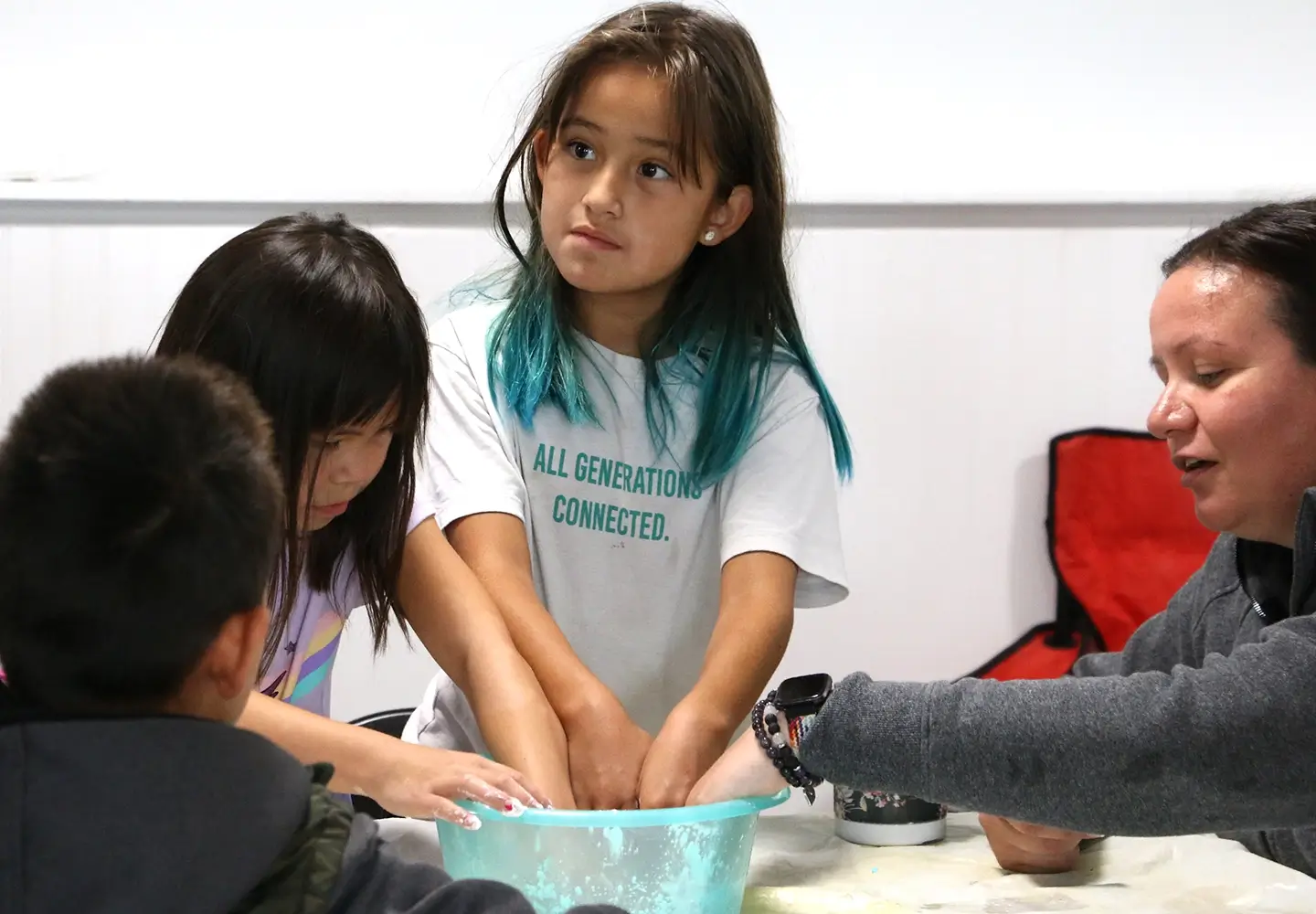
A. Alison Wale, who works as the capacity building coordinator with Uu-a-thluk, our community partner for the InSTEM summer camps, has said it’s about “planting the seeds of possibilities.” One week of camp is enough to spark curiosity in a STEM field; years of camps can fan that spark to become an enduring interest, while providing youth with skills, confidence and a positive connection to UVic. Over the years, we see former campers return as camp leaders, mentors or technicians, becoming role models for the next generation. We also endeavour to provide opportunities for Indigenous students at UVic to work with us in community, helping them to develop their science communication skills and showing youth what it looks like to be an Indigenous student in STEM.
At UVic, Indigenous students can get involved in research, co-op placements or community-engaged learning projects, which can highlight different STEM career options for them. These might even be careers much needed in their own communities, such as jobs related to fisheries, marine science, health, environmental science and renewable energy. Ultimately, resources directed towards Indigenous STEM outreach are an investment in building future capacity for those communities.