During the Second World War, 22,000 Japanese Canadians were forcibly uprooted from the coast, dispossessed, dispersed and interned. In allied countries across the globe, similar policies led to the internment and deportation of people of Japanese descent (Nikkei).
Canada’s Internment Era: A Field School brings students, educators and community members to the sites of this history. It was first offered in 2019 as a collaboration between the Nikkei National Museum and Cultural Centre in Burnaby and the University of Victoria (UVic) Landscapes of Injustice project (2014-2021). The field school now continues with Past Wrongs, Future Choices—a seven-year, multi-partner research project that builds on past work by engaging international partners to tell these global histories.
Hands-on learning
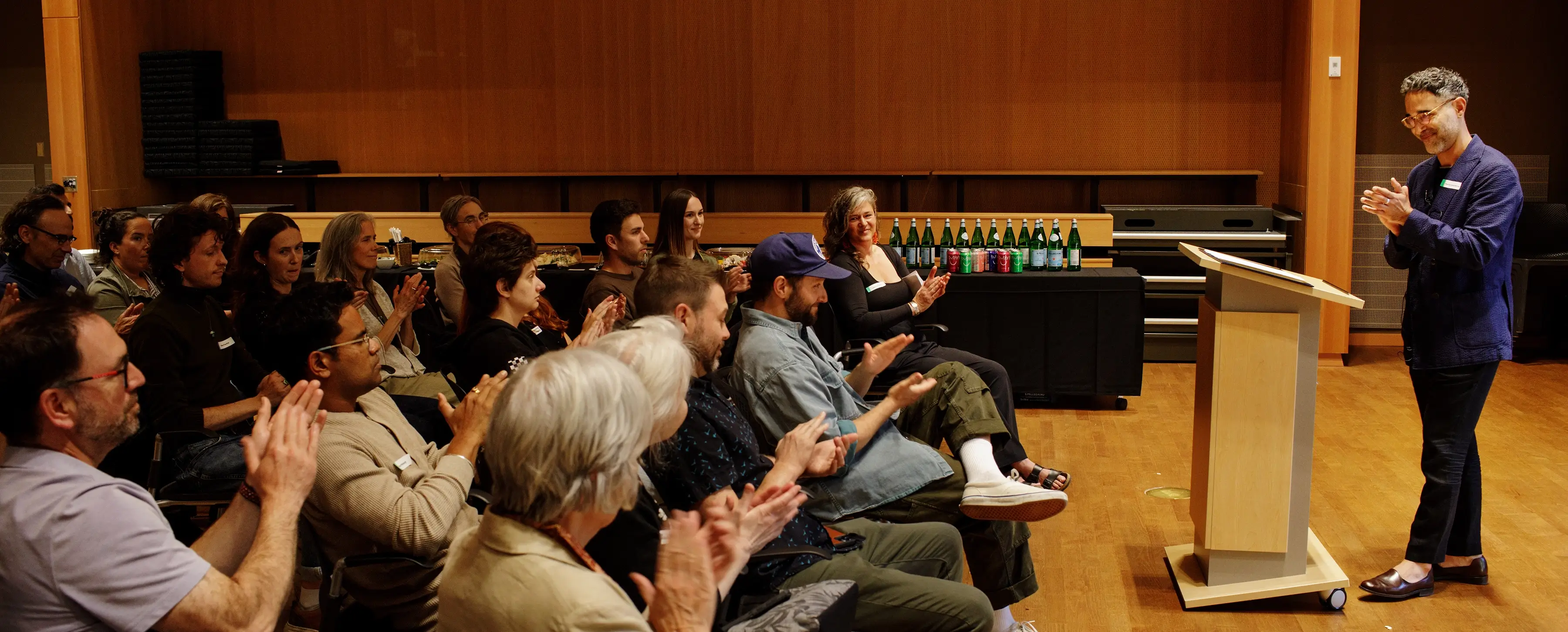
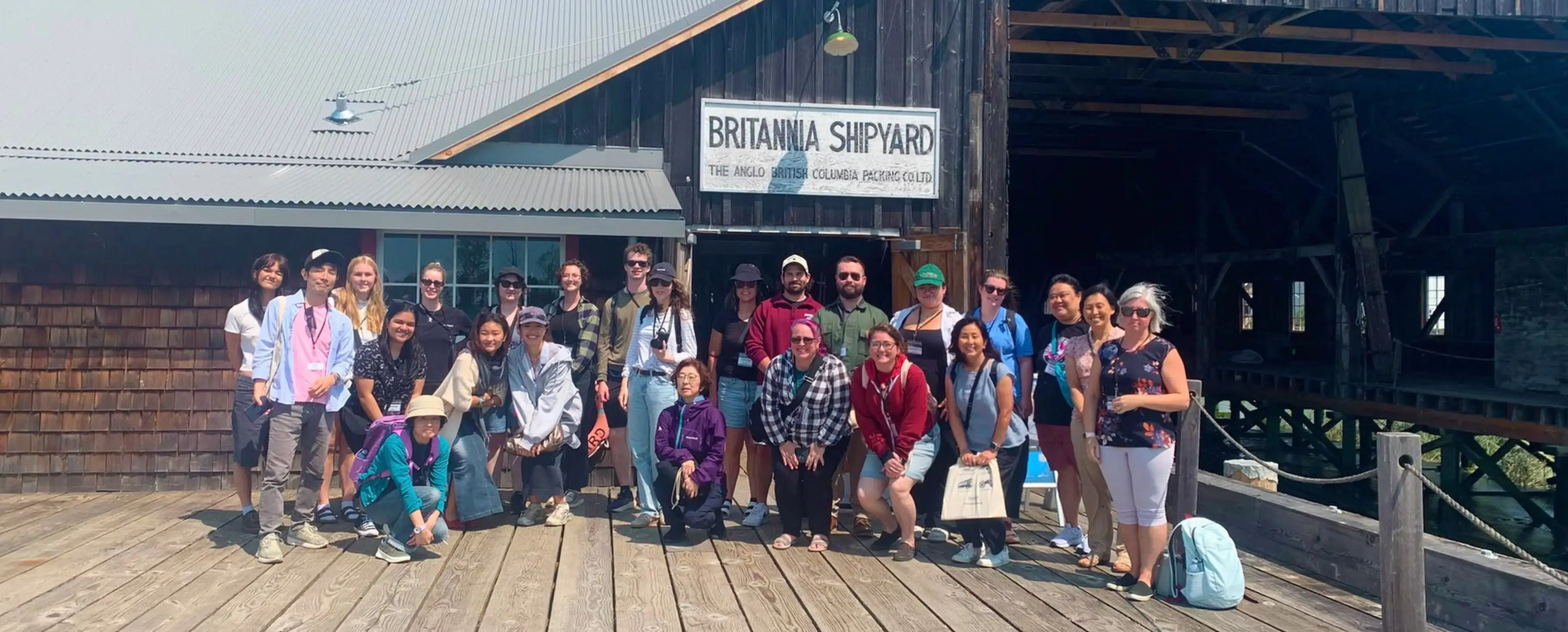
Participants in the field school spend a week on a bus tour visiting internment sites, travelling from the Lower Mainland to the interior. The tour is followed by a week in the classroom at UVic. Along the way, students learn through films screened on the bus during travel time, story sharing and healing circles.
Since its first iteration in 2019, the field school has been highly regarded by community participants. Third-generation (Sansei) Japanese Canadian and retired school principal Vivian Wakabayashi Rygnestad has co-led the school for five years, and notes that many community members participate alongside their children, and even grandchildren, fostering an intergenerational learning environment.
“This is a safe place. Everyone is here with the same intention, to learn about Japanese Canadian history. People have permission to share and ask questions,” she says.
History is facts, and history is stories. Both are equally important.”
—Vivian Wakabayashi Rygnestad, field school co-lead
For field school instructor Eiji Okawa, a historian who studies the social and cultural history of Japanese immigrants in Canada, visiting historical sites is just one valuable aspect of learning during the field school. Learning in a diverse, community setting is equally important.
“Participants in the field school gain understanding and perspective through relationality,” he explains. “They’re learning not just through written text, but by speaking to each other. It’s a more visceral and embodied form of learning that can be truly transformative.”
Educating educators
For undergraduate students and educators alike, that transformative power of site-specific learning has been profound.
After 10 years as a teacher in Ontario, Catherine Oikawa attended the field school in 2023 as a professional development opportunity. She wanted to bring her experiences into the classroom. “On the field school, you’re learning in the community and from the community,” she recalls. “It was quite a special time for sharing and reflection.”
For the Yonsei (fourth generation Japanese Canadian) educator, learning about Japanese Canadian history became a personal journey. A long-time volunteer in Toronto’s Japanese Canadian community, in 2025, she returned to the field school as an instructor.
“On the field school, I saw the importance of having a network and support,” says Oikawa. “I’ve found a lot of pride in my Japanese Canadian identity, and in community leadership.”
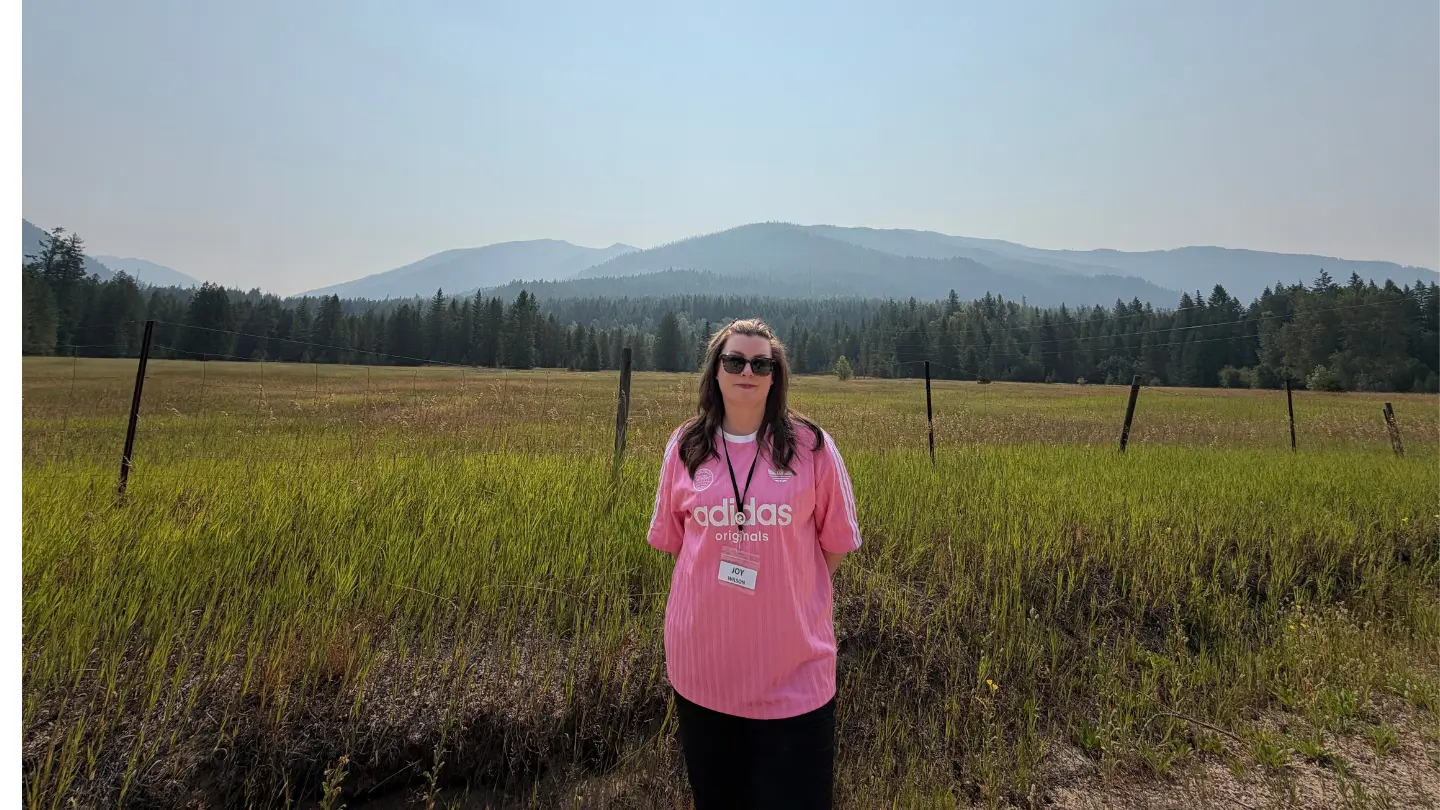
Joy Wilson, a teacher and 2026 field school participant of Métis ancestry, was familiar with the history of Japanese Canadian internment, having spent the school year teaching her Grade 7 students at Chemainus Secondary School about the impacts of internment on their own community.
Her class focused on the internment of Japanese Canadians from Chemainus in Lemon Creek, the largest of nine internment camps in the West Kootenays. During the school year, they had worked on projects that are now on display at the Chemainus Valley Museum as part of an exhibit on the history of the Chemainus Japanese Canadian community. Visiting Lemon Creek for the field school, Wilson snapped photos to share with her former students. Today, the site that was once home to over 260 internment shacks is an empty field. Still, students replied with interest. Through their projects, Wilson notes, her students encountered history beyond the classroom. Now, so had she.
Learning from history
Nelson Currie attended as a fourth-year history student at UVic, excited about the opportunity to learn about an area of history that he describes as often overlooked.
“The program gave us the chance to engage with members of the Japanese Canadian community and greatly enriched the learning experience. I came away with a better understanding of Japanese Canadian culture and history—and the learnings from this history are so important. It was an incredible two-week experience,” he says.
Attending the field school as a Japanese Canadian person was an incredibly meaningful opportunity to connect with my community and learn a history that has had huge impacts intergenerationally. What stayed with me as a law student is how ordinary the dispossession looked on paper. During the second portion of the field school, when we returned to UVic, I spent time examining Custodian of Enemy Property files: letters, appraisals, sale records, all carried out through legal process. That’s a hard thing to sit with when you’re looking to enter that same system, and it’s a big part of why I want to do advocacy work.”
—Hana Takagi, 2nd year law student at UVic
Global connections: looking forward
The field school will be offered again in July 2027. Because Past Wrongs, Future Choices is an international project with partners in Canada, the United States, Australia, Brazil and Japan, field school participants are invited to consider the global context of the Canadian history that they learn about. Learning from international participants has been invaluable, says Michael Abe, project manager of Past Wrongs, Future Choices. He hopes to continue welcoming international participants in future years.
Rygnestad explains that the field school encourages people to connect to and learn about social justice issues broadly, in the past and present: “This is not just Japanese Canadian history, this is Canadian history. And we want people to extend their learning to other cultures, histories, experiences and social justice issues, too.”